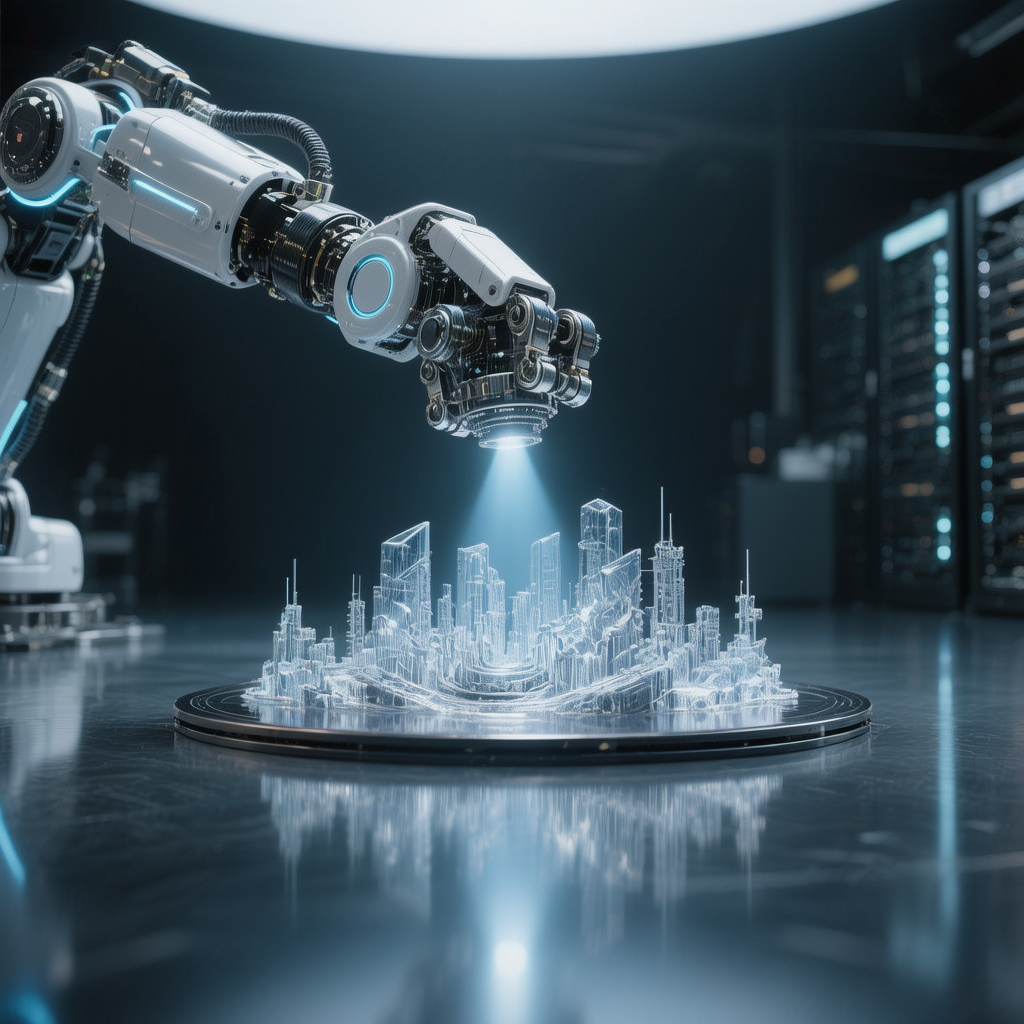
When I first encountered procedural generation back in 2015 while working on an indie game project, the technology felt almost magical. We were using basic algorithms to create randomized dungeon layouts, and watching the computer generate something new every single time genuinely excited our small team. Fast forward to today, and the landscape has transformed dramatically. Modern artificial intelligence has elevated procedural generation from simple randomization to something far more sophisticated and creatively compelling.
Understanding the Evolution of Procedural Generation
Procedural generation isn’t new. Games like Rogue from 1980 pioneered this approach, creating randomized dungeons that offered unique experiences each playthrough. The fundamental concept remains unchanged—using algorithms rather than manual design to create content. What’s shifted dramatically is the intelligence behind these systems.
Traditional procedural generation relied heavily on rule-based systems. Developers would define parameters, set constraints, and let mathematical functions handle the rest. You’d get variety, sure, but often at the cost of coherence. I remember spending weeks tweaking parameters to prevent our algorithm from generating impossible level layouts.
Modern AI-powered procedural generation operates differently. Instead of following rigid rules, machine learning models learn patterns from existing data and generate new content that maintains those learned characteristics. The difference is striking when you see it in action.
How AI Transforms the Generation Process
The integration of artificial intelligence fundamentally changes what procedural generation can accomplish. Neural networks, particularly generative models, analyze vast datasets to understand structural relationships, aesthetic principles, and functional requirements.
Take terrain generation as an example. Classical approaches used noise functions like Perlin noise to create heightmaps. Results were decent but often lacked the geological realism that makes environments feel authentic. AI-driven systems trained on actual topographical data produce landscapes that exhibit natural erosion patterns, realistic water drainage, and believable biome distributions.
I worked with a studio last year that implemented a generative adversarial network for creating texture variations. The system learned from thousands of hand-painted textures and could generate infinite variations that maintained artistic consistency. Their art team estimated it saved roughly 200 hours of manual work per month.
Practical Applications Across Industries
The gaming industry remains the most visible adopter of AI-enhanced procedural generation. Titles like No Man’s Sky demonstrated ambitious procedural universe creation, though early versions revealed the pitfalls of over-relying on generation without sufficient AI refinement. Newer implementations have learned from these lessons.
Hello Games eventually improved their systems significantly, incorporating more intelligent generation that considers player engagement patterns and narrative coherence. The result feels less random and more purposefully crafted, despite being generated algorithmically.
Beyond gaming, architectural firms now experiment with AI procedural systems for conceptual design exploration. A firm I consulted with uses generative design tools to produce hundreds of building layout variations based on site constraints, client requirements, and sustainability metrics. Architects review options that would have taken weeks to conceptualize manually.
Film production has embraced these technologies for creating digital environments. Those endless cityscapes in science fiction films? Increasingly generated through AI assisted procedural systems that understand urban planning principles while maintaining visual coherence across millions of buildings.
The Technical Foundation

Without diving too deep into technical weeds, understanding the basics helps appreciate what makes AI procedural generation effective.
Variational autoencoders compress training data into latent representations, then decode new variations from that compressed space. This approach works brilliantly for generating content that feels similar to training data while remaining genuinely novel.
Transformer architectures have revolutionized text-based procedural generation. Quest descriptions, character dialogue, and narrative branches can now be generated with remarkable coherence. I’ve seen implementations where generated storylines maintain thematic consistency across dozens of connected events.
Diffusion models represent the current frontier. These systems gradually add and remove noise to generate incredibly detailed outputs. Their application in procedural texture and asset generation has produced results that occasionally fool experienced artists.
Limitations Worth Acknowledging
Anyone selling AI procedural generation as a complete solution is oversimplifying reality. These systems have genuine constraints that practitioners must navigate.
Training data requirements remain substantial. Generating quality content requires quality examples—lots of them. Small studios without extensive asset libraries face challenges implementing sophisticated AI generation.
Computational costs add up quickly. Running inference on complex generative models demands serious hardware. Real-time generation for games requires careful optimization and often pre-computation strategies.
Quality control becomes more challenging when output variety increases exponentially. Someone needs to verify that generated content meets standards. Automation helps, but human oversight remains essential for anything player-facing.
Perhaps most importantly, AI-generated content can lack intentionality. Great design often communicates specific ideas or emotions through deliberate choices. Generated content, however sophisticated, doesn’t possess creative intent.
Looking Forward
The trajectory seems clear. AI procedural generation will become more accessible, more capable, and more integrated into standard development workflows. Tools that once required machine learning expertise are increasingly available through user-friendly interfaces.
Hybrid approaches show particular promise—combining AI generation with human curation. Let algorithms produce vast quantities of raw content, then use intelligent filtering and human selection to ensure quality. This workflow multiplies creative output without sacrificing standards.
For anyone entering this space, my advice is practical: start small, learn the limitations firsthand, and build systems that complement human creativity rather than attempt replacing it entirely. The most successful implementations I’ve witnessed treat AI generation as a collaborative tool, not an autonomous solution.
Frequently Asked Questions
What is procedural generation in simple terms?
Procedural generation uses algorithms to automatically create content like levels, textures, or music instead of manually designing every element.
How does AI improve traditional procedural generation?
AI learns patterns from existing content and generates new material that maintains those learned characteristics, producing more coherent and realistic results than rule-based systems.
Which games use AI procedural generation?
Notable examples include No Man’s Sky, Minecraft (partial implementation), and numerous roguelike games. Many modern titles use AI-enhanced generation for various assets.
Can AI procedural generation replace human designers?
Not entirely. AI excels at generating variations and handling repetitive tasks but lacks creative intentionality. Human oversight and curation remain essential.
What industries beyond gaming use this technology?
Architecture, film production, music composition, fashion design, and urban planning all utilize AI procedural generation in various capacities.
Is implementing AI procedural generation expensive?
Costs vary significantly based on complexity. Basic implementations are accessible to indie developers, while sophisticated systems require substantial computational resources and expertise.